The government’s outstanding debt rose to P18.16 trillion as of end-February 2026, supported by higher domestic borrowing even as external debt declined on a month-on-month basis.
Data from the Bureau of the Treasury showed total national government (NG) debt increased by P25.74 billion, or 0.14 percent, from end-January, driven by new domestic issuances.
Domestic debt climbed by P154.39 billion, or 1.25 percent, to P12.48 trillion after the government issued P158.14 billion in securities, reflecting continued reliance on the local market for financing.
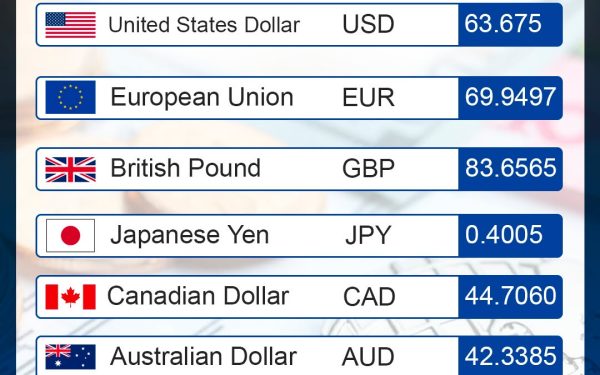
In contrast, external debt declined by P128.65 billion, or 2.21 percent, month-on-month to P5.68 trillion. The drop was largely attributed to favorable foreign exchange movements, as the peso strengthened to P57.639 per US dollar from P58.954 in January.
The month-on-month decline masked a broader increase, however, with external debt rising by P88.98 billion, or 1.59 percent, since end-December 2025, despite valuation gains from the stronger peso.
The government continued to access foreign financing in the first two months of the year. As of end-February, total external financing amounted to P203.10 billion, including the issuance of $2.75 billion in triple-tranche global bonds with 5.5-year, 10-year, and 25-year maturities.
According to the Treasury, the debt composition remained largely domestically driven, with local obligations accounting for 68.7 percent of total debt, helping limit exposure to currency fluctuations and external market volatility.