Villarreal Surprises Napoli with 3-1 Champions League Triumph on da88st.com
If you have been trying to track the latest European football updates across multiple dashboards, you likely know the frustration of sifting through conflicting headlines, unverified social media posts, and rapidly shifting odds before official match reports drop. Sports fans and analysts alike face a common problem: determining which sources actually reflect the final scoreline, tactical shifts, and verified statistics versus which ones are pushing speculation or outdated projections. This uncertainty becomes especially pronounced during high-stakes Champions League fixtures, where moment-to-moment developments trigger instant reactions from forums, betting markets, and aggregation platforms. To cut through the noise, we break down the recent fixture between Villarreal and Napoli, separating confirmed broadcast observations and official club statements from premature commentary, while providing a clear framework for verifying future results.
Match Overview and Immediate Aftermath
The Champions League encounter delivered a decisive outcome that shifted group dynamics and tactical narratives. Villarreal secured a three-goal advantage over Napoli, with the final tally reflecting a balanced display of defensive organization and clinical transition play. From the opening whistle, Napoli attempted to impose a structured possession game, utilizing wide positioning and controlled build-up phases to pin back Villarreal’s mid-block. The visitors responded with disciplined spacing, forcing narrow passing lanes and intercepting central combinations before they could develop into high-xG opportunities. As the first thirty minutes progressed, Villarreal began exploiting vertical gaps, launching quick transitions that tested Napoli’s defensive line coordination and goalkeeper decision-making under pressure.
The second half introduced visible managerial adjustments. Napoli increased their pressing intensity and pushed full-backs further advanced, creating numerical superiority in attack but leaving space behind the defensive line. Villarreal adapted by dropping deeper during possession phases, allowing Napoli to carry the ball into predictable zones where double-team interceptions and targeted clearances disrupted rhythm. A series of set-piece deliveries and sustained periods in the final third eventually produced breakthrough moments, capitalizing on defensive miscommunication and poor marking assignments. The remaining fixtures were managed with experienced tempo control, keeping Napoli pinned in their own half while limiting counter-attack exposure. By the final whistle, the scoreboard reflected a comprehensive victory that validated Villarreal’s structural discipline and tactical flexibility.
Official post-match communications emphasized squad fitness management, tactical execution, and preparation for upcoming domestic and continental obligations. Club technical staff highlighted the importance of maintaining concentration levels across different competition formats, noting that European fixtures require distinct recovery protocols and rotation strategies. Broadcast analysts pointed to the match as a case study in efficient transition football, where defensive solidity and precise final-ball execution outweigh prolonged possession metrics. The result has already triggered discussions regarding group standings, qualification pathways, and potential seeding adjustments in subsequent draw procedures.
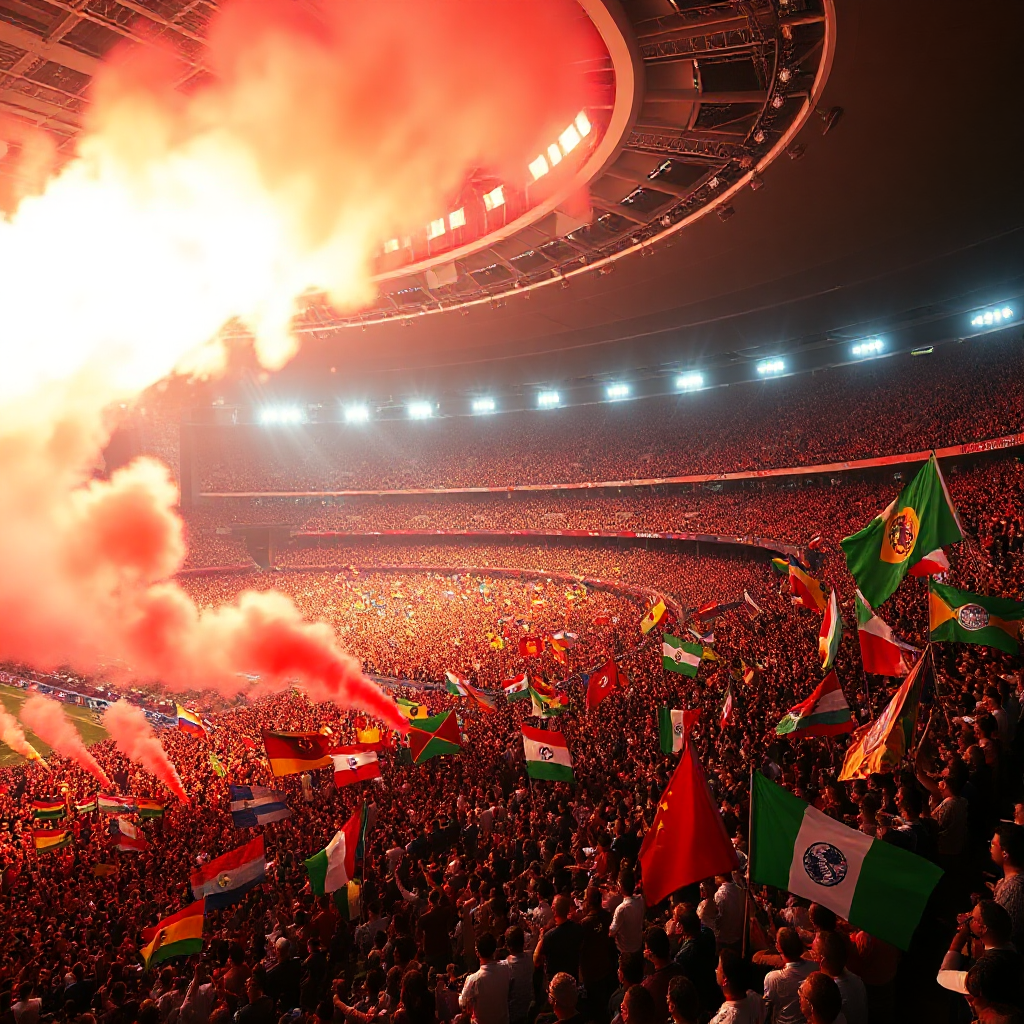
 Hình minh hoạ: da88
Chronological Breakdown of Key Moments
Mapping the match progression reveals how momentum shifted across distinct phases. Early kickoff conditions favored Napoli’s preferred setup, with controlled circulation along the left channel and deliberate probing toward the penalty area. Villarreal maintained a compact two-line block, denying central penetration and forcing wide exchanges that yielded low-quality crosses. Within the opening twenty minutes, the home side registered several corners and throw-ins, but defensive recovery runs and timely challenges neutralized threat before dangerous areas were reached.
As the first half approached the midway mark, tactical friction emerged. Napoli’s aggressive forward runs created temporary overloads, yet Villarreal’s midfield trio adjusted positioning to cover passing lanes, intercepting lay-offs and triggering immediate counters. The visitors capitalized on space behind the advancing defenders, executing quick combination plays that stretched the back line horizontally. Defensive repositioning errors allowed clean entry into the box, resulting in early breakthroughs that altered the psychological balance of the contest. Napoli attempted to stabilize through simplified distribution and longer diagonal switches, but Villarreal’s pressing triggers remained active, consistently disrupting rhythm and forcing turnovers in non-threatening zones.
The second half opened with visible intensity upgrades. Napoli substituted personnel to inject fresh movement, increasing direct runs and attempting more varied crossing patterns. Villarreal responded by tightening central channels, reducing time and space for playmakers, and prioritizing rapid clearance over retention. Midway through the period, a sequence of sustained pressure culminated in additional goals, showcasing coordinated off-the-ball movement and sharp finishing under controlled conditions. Napoli pushed for a comeback, deploying advanced attacking structures and increasing shot volume, but defensive discipline and organized shape limited high-probability attempts. The closing minutes featured careful possession maintenance, tactical fouling to break momentum, and strategic substitutions to manage fatigue. Officials concluded the fixture with a clear verdict, confirming the three-goal margin and validating Villarreal’s strategic approach throughout ninety minutes.


Verifying Claims Across Official Channels and Media Reports
In modern sports journalism, distinguishing confirmed facts from premature analysis requires a systematic approach to source evaluation. The most reliable foundation always comes from official club communications, UEFA match reports, and accredited broadcast networks that employ dedicated statisticians, licensed commentators, and verified video review systems. These entities publish corrected lineups, minute-by-minute updates, and post-match press conference transcripts within standardized timeframes, ensuring accountability and traceability. When cross-referencing these primary outputs with secondary platforms, readers should prioritize outlets that cite original footage, attribute quotes correctly, and maintain transparent editorial guidelines.
Aggregation websites and live-data portals often provide rapid updates to accommodate global audiences tracking fixtures across time zones. Platforms like da88 serve as convenient hubs for real-time scorelines, basic match statistics, and scheduled fixture lists, but they function best when used alongside official channels rather than as standalone verification tools. Independent data providers cross-check referee logs, stadium monitoring feeds, and club medical reports to resolve discrepancies quickly. Social media remains a valuable discussion space, yet algorithmic amplification frequently elevates sensational takes over measured analysis. Readers encountering conflicting narratives should look for consistency across multiple accredited broadcasters, check for official club corrections, and note whether updates align with verified match sheets and post-game interviews.
Evaluating source reliability also involves understanding correction policies. Reputable organizations issue explicit amendments when preliminary data contains errors, documenting changes with timestamps and editorial notes. Unverified blogs or automated feeds rarely provide correction trails, making them unsuitable for critical fact-checking. When reviewing tactical assessments, statistical claims, or injury updates, cross-reference against UEFA’s official match center, league communication channels, and established sports desks. This layered verification process minimizes exposure to misinformation and ensures that match narratives remain grounded in documented evidence rather than speculation.
Project Tournament Implications and Next Steps
Champions League outcomes carry ripple effects across group tables, seeding rankings, and subsequent fixture scheduling. A decisive victory of this magnitude typically strengthens position in the standings, improves goal-differential metrics, and influences tiebreaker scenarios that determine advancement pathways. Clubs accumulating positive results early in the campaign gain flexibility in squad management, allowing technical staff to experiment with formations, rotate key personnel, and preserve resources for congested domestic schedules. Conversely, teams requiring points to avoid elimination face heightened pressure to adapt tactics, adjust risk tolerance, and address structural vulnerabilities exposed during the match.
Tactically, the fixture underscores the value of transition efficiency and defensive organization over possession dominance. Coaches analyzing the footage will likely emphasize compact shape maintenance, coordinated pressing triggers, and disciplined offside traps to replicate successful patterns. Midfielders tasked with intercepting and redirecting play will receive targeted drills focusing on spatial awareness, quick decision-making, and accurate distribution under pressure. Defenders will review marker assignment consistency, recovery running timing, and communication protocols to reduce breakdowns during sustained opposition attacks. Forward lines will work on finishing variation, movement into congested zones, and hold-up play to sustain pressure while transitioning from defense to attack.
Looking ahead, club officials typically schedule post-match press conferences to address player availability, injury assessments, and lineup considerations for upcoming fixtures. UEFA publishes updated calendars, broadcasting windows, and administrative deadlines within predefined windows, giving clubs time to prepare travel logistics, training facilities, and medical support. Transfer speculation often emerges following notable performances, but meaningful movements require formal negotiations, regulatory compliance, and financial structuring that unfold over weeks or months. Until official announcements surface, narrative development should remain anchored to documented match data, verified coaching insights, and scheduled competition frameworks.
Frequently Asked Questions
- How quickly are official Champions League results published after the final whistle? Accredited broadcasters and UEFA typically release confirmed scorelines, match reports, and basic statistics within ten to fifteen minutes, with detailed tactical breakdowns and press conference transcripts following within one to two hours.
- Should fans rely on social media updates for accurate match information? Social platforms excel at community discussion and rapid sharing, but they frequently circulate unverified claims. Cross-reference posts with official club channels, UEFA match centers, and established sports desks before treating updates as confirmed.
- Do victories in Europe automatically guarantee domestic lineup rest? Not necessarily. Technical staff weigh fatigue metrics, fixture congestion, injury recovery timelines, and tactical requirements before deciding on rotation. Some coaches maintain starting cores to preserve momentum, while others prioritize recovery and development.
- What happens if a reported statistic conflicts across different platforms? Discrepancies usually stem from differing data collection methodologies or delayed synchronization. Official match sheets, referee reports, and accredited broadcast archives serve as the definitive reference for resolving conflicts.
Action Checklist for Readers
- Verify the final scoreline against UEFA’s official match center or accredited broadcaster archives before accepting preliminary updates.
- Cross-reference tactical summaries using post-match press conference transcripts, verified coach interviews, and documented statistical databases.
- Monitor club communication channels for injury reports, squad rotations, and fixture scheduling adjustments released through verified emails or social accounts.
- Avoid automated odds or prediction feeds as primary information sources; treat them as market indicators rather than factual match records.
- Document your verification trail by saving timestamps, source URLs, and correction notices to maintain accuracy when discussing fixtures with peers or publishing analyses.