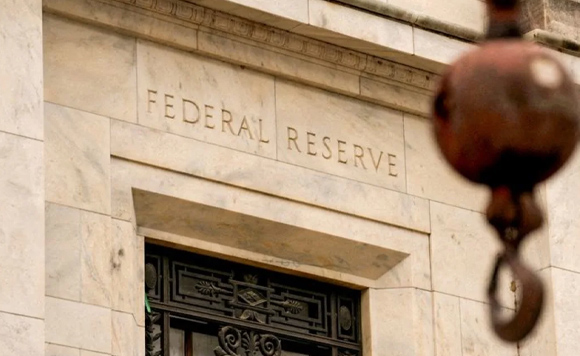
WASHINGTON (Reuters) – Investors raised their bets on a larger US Federal Reserve interest rate hike in December after inflation data released on Tuesday showed persistent price pressures, increasing the likelihood of higher borrowing costs in the world’s largest economy.
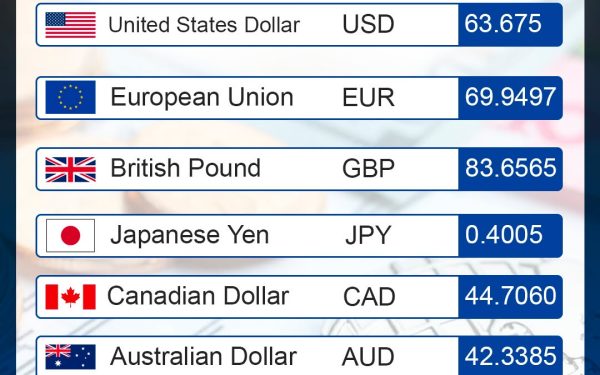
The prospect of more aggressive monetary tightening could have implications for emerging markets, including the Philippines, by strengthening the US dollar and putting pressure on currencies such as the peso.
The US Consumer Price Index (CPI) rose 0.4 percent in October from the previous month, slowing from a 0.6 percent increase in September as energy inflation eased.
However, core inflation, which excludes volatile food and energy prices, increased 0.3 percent for the third consecutive month, exceeding economists’ expectations of 0.2 percent.
The reading met the threshold set by Federal Reserve Governor Christopher Waller for considering a half-percentage-point interest rate increase at the central bank’s December 8-9 meeting.
Market expectations of a 50-basis-point hike climbed to nearly 15 percent by midmorning on Tuesday, although a smaller 25-basis-point increase remained the most likely outcome.
Speaking at a conference in London, Waller warned that persistent inflation could require a stronger policy response.
“If core consumer prices rise 0.3% or more from September, a stronger policy move may be needed,” Waller said.
“In that case, I believe a 50 basis point hike in the policy rate should be considered at the December meeting.”
Waller said a smaller rate increase could undermine the Fed’s credibility in fighting inflation, particularly as price pressures appeared to be spreading across the economy.
The inflation report triggered a sharp selloff in US government bonds, sending the yield on two-year Treasury notes, which closely tracks expectations for Fed policy, to its biggest increase since early April 2025.
The October figures also showed unexpected increases in automobile insurance, public transportation and medical services, adding to cost-of-living pressures on American households.
The report followed US midterm elections in which inflation and household expenses were major issues and voters delivered a setback to President Donald Trump and the Republican Party.
“There was not much in today’s report to assuage concerns about ongoing inflation risks or the fact that the Fed will need to hike rates further to tamp down price pressures,” said Omair Sharif, president of Inflation Insights.
Sharif estimated that the core Personal Consumption Expenditures (PCE) price index, the Fed’s preferred inflation measure, was on track to rise 0.34 percent in October, equivalent to an annualized pace of more than 4 percent.
The Fed targets 2 percent inflation using the broader PCE index but closely monitors core inflation to assess underlying price pressures.
Dallas Fed President Lorie Logan and Fed Vice Chair for Supervision Michelle Bowman were scheduled to speak later on Tuesday, potentially offering further clues about the central bank’s December policy decision.