
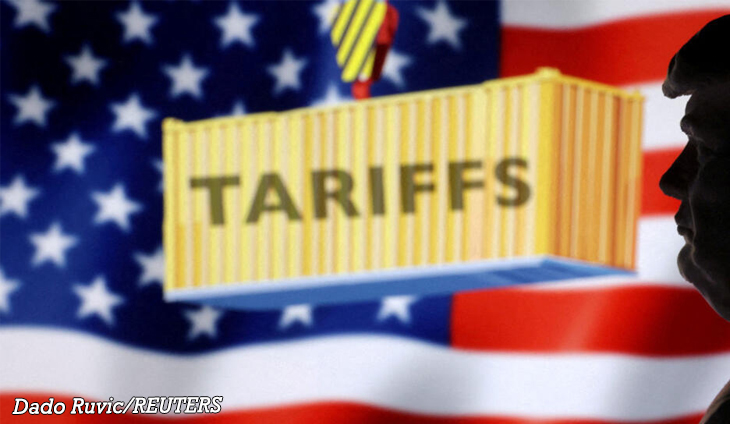
S&P Global Ratings has warned that the latest round of U.S. tariffs is broader and more severe than expected, raising concerns over a potential global trade war and increasing the risk of a deeper economic slowdown.
Countries in the Asia-Pacific region, particularly Vietnam, Taiwan, and Thailand, which heavily rely on exports to the U.S., are set to face significant economic challenges. Despite ongoing efforts by some governments to negotiate the removal or reduction of the tariffs, S&P expects the tariffs to remain in place.
In its report titled “Asia-Pacific Credit Conditions to Deteriorate Amid Tariff Fallout,” S&P noted that smaller, trade-dependent economies in the region would be most affected by the U.S. tariffs. The impact will extend across financial markets, supply chains, and geopolitics, forcing businesses, governments, and households to reevaluate their trade strategies, capital expenditure, and consumption patterns.
The report highlighted that while it is still too early to assess the full economic impact, the tariffs and retaliatory measures will likely drag on global growth.
S&P analyst Eunice Tan stated that the duration of the tariffs, countermeasures from affected countries, and any potential economic stimulus will determine the severity of the effects.
Rising financing costs and intensified competition in global markets are expected as countries impacted by the tariffs seek alternative markets for their goods. This could lead to increased price competition and tighter profit margins, particularly in export-dependent economies.
S&P also warned that disinflationary pressures could rise in the region, with some economies potentially adopting more protectionist measures to shield their domestic industries. Additionally, businesses and consumers may become more cautious, leading to lower demand and potentially stifling economic growth. Governments may resort to fiscal stimulus in response.
Although some economies could benefit from lower tariffs or cheaper imports, the long-term effects remain uncertain.
S&P also warned that increased investor risk aversion and heightened volatility in financial markets could further dampen financing conditions and slow domestic consumption in the region.
Overall, while some countries are working to negotiate the tariffs, S&P expects them to remain in place, with broad and lasting economic implications.


