
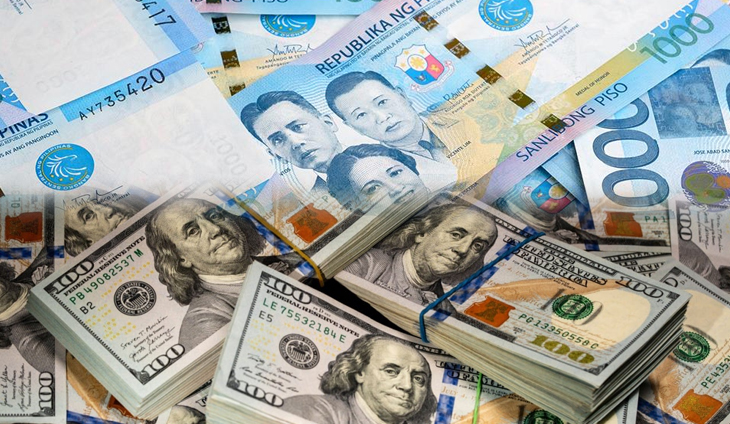
The Philippine peso fell to a record low against the U.S. dollar on Thursday as concerns over slowing economic growth and expectations of further monetary easing pressured the currency.
The peso closed at 59.13 to the dollar, down 23 centavos from Wednesday’s 58.90 finish, according to data from the Bankers Association of the Philippines. It opened at 58.90, slipped to an intraday low of 59.20, and broke its previous record of 59 set on Dec. 19, 2024.
Trading volume rose 9% to $1.75 billion. The peso has lost about 2.2% since the start of the year, when it ended 2024 at 57.845 to the dollar.
The Bangko Sentral ng Pilipinas said the decline reflected “market concerns over a potential moderation in economic growth due in part to the infra spending controversy, as well as expectations of additional monetary policy easing.”
The central bank said it allows the peso to move freely and intervenes only to prevent “excessive volatility.”
“When we do participate in the market, it is largely to dampen inflationary swings in the exchange rate over time rather than to prevent day-to-day volatility,” the BSP said in a statement.
Despite the slump, the BSP said the country’s external position remains strong, with gross international reserves rising to $108.8 billion at the end of September, the highest in nearly a year.
“The peso continues to be supported by resilient remittance inflows, still relatively fast economic growth, low inflation and ongoing structural reforms,” the bank said.
RCBC chief economist Michael Ricafort said the peso’s weakness reflected both global and domestic pressures. He added that “political noises in recent weeks” may have weighed on investor confidence.
“Improving governance standards, particularly in fiscal and infrastructure spending, as well as measures to curb leakages and wastage, could help boost investor confidence and support the peso,” Ricafort said.
He said upcoming inflows from overseas remittances and potential foreign investments linked to Maynilad’s planned initial public offering could help steady the peso in the coming weeks.


