
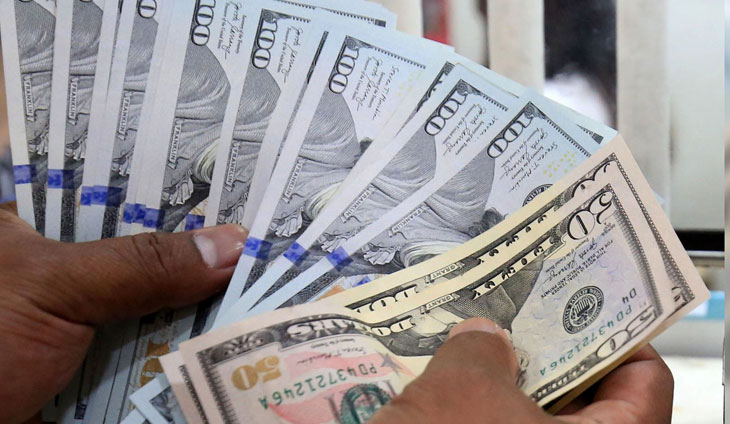
The Philippines’ gross international reserves (GIR) fell to $108.465 billion in November 2024, a decrease of $2.6 billion from October.
The drop was mainly due to the government’s withdrawal of foreign currency deposits to pay off maturing foreign loans.
Despite this, the country’s reserves are still higher than the $102.72 billion recorded in November 2023, marking a year-on-year increase of $5.75 billion.
The Bangko Sentral ng Pilipinas (BSP) assured that the reserves remain sufficient to meet external financial needs.
The reserves cover 7.8 months of imports of goods, services, and primary income and are about 4.3 times the country’s short-term external debt.
The BSP attributed the decline in reserves to several factors, including the government’s debt payments, foreign exchange operations by the central bank, and a lower valuation of gold due to falling global prices.
In addition to the GIR, the country’s net international reserves (NIR) also dropped by $2.6 billion, bringing the total to $108.4 billion.
The NIR is the difference between the BSP’s reserve assets, such as foreign investments and gold, and its liabilities, including short-term foreign debt. The lower NIR mirrors the trends seen in the GIR.
The BSP expects the GIR to be around $104 billion by the end of 2024 and $105 billion in 2025.



