
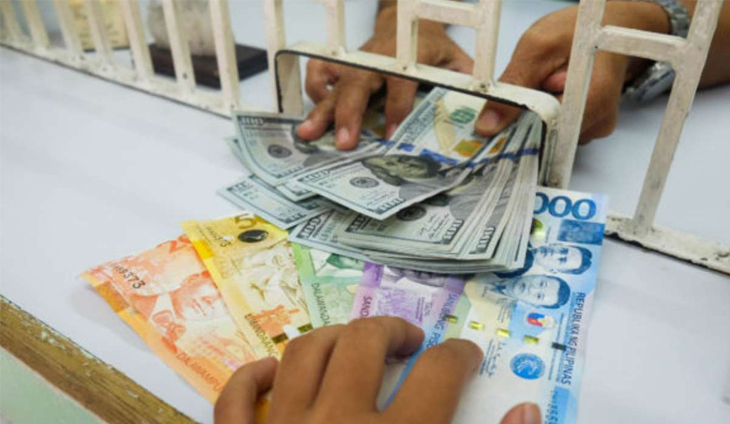
The Philippine peso crossed the 60-per-dollar mark on Thursday, sliding to an intraday low of 60.4 as investors sought safe-haven assets amid heightened tensions in the Middle East.
The oil rally has raised concerns over inflation in the Philippines, a country heavily reliant on fuel imports.
The Bangko Sentral ng Pilipinas (BSP) said late Wednesday it was closely monitoring developments ahead of its April 23 policy meeting.
“Price stability is the BSP’s main mandate. As such, the BSP is assessing the potential impact of higher oil prices on the prices of fertilizer, transport fares, and inflation in general,” the central bank said.
The BSP also flagged possible spillovers to external accounts, including remittances, trade, and financial markets.
The central bank reiterated that it does not defend a specific exchange rate but may intervene to temper sharp swings.
“The BSP stresses that it operates in the foreign exchange market to smooth excess volatility and maintain orderly conditions,” it said. “This is consistent with a flexible exchange rate policy, with intervention limited to tempering large swings that could affect inflation rather than defending any specific level.”



