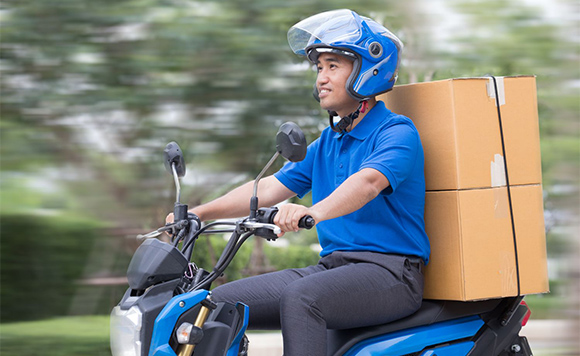
BDO Unibank Inc., the conuntry’s largest lender, has partnered with Unistar Credit and Finance Corporation to help 68,409 workers acquire motorcycles for delivery, logistics and transport services.
The motorcycles were purchased through Transcycle, Unistar’s motorcycle retail brand, which operates 280 branches nationwide. More than half or 55% of these outlets are in the Visayas and Mindanao regions, areas where access to credit is often limited.
“For many riders, owning a motorcycle brings a unique sense of freedom, independence and mobility, while opening doors to better income and daily opportunities. Being able to support these journeys is what makes our work truly meaningful, especially for riders and families across Visayas and Mindanao,” said Matthew Siy Cha, CEO of Unistar.
Motorcycles continue to serve as a practical and essential mode of transportation for millions of Filipinos, particularly in supporting the growing gig economy and e-commerce delivery sectors.
However, BDO emphasized its broader commitment to environmental sustainability, noting the need to shift toward cleaner transport options.
The bank said it remains focused on financing projects that advance green infrastructure and contribute to a low-carbon economy.
“We believe that access to financial services is essential for economic empowerment. Through BDO’s ASEAN Sustainability Bond, we are helping Filipinos gain the financial tools they need to build sustainable livelihoods,” said Charles M. Rodriguez, BDO executive vice president and Head of Institutional Banking Group.
BDO has issued multiple ASEAN Sustainability Bonds in recent years, including significant raisings in 2022, 2024 and 2025, with proceeds allocated to eligible sustainable projects under its Sustainable Finance Framework.
These bonds align with international standards and support a mix of environmental and social initiatives.
The motorcycle financing initiative extends benefits beyond individual borrowers. Micro and small businesses benefit from more efficient and cost-effective delivery and transport, enabling faster customer reach and lower operational expenses.
Communities gain improved access to goods and essential services, fostering greater productivity and entrepreneurship especially in underserved regions.