Alert: Chelsea Missing Key Stars Tonight – Tactical Shifts, Fan Experience, and What to Expect
The stadium concourses are already buzzing, but something feels different in the air tonight. Instead of the usual chatter about formation tweaks or player ratings from previous fixtures, the conversation revolves around empty seats where familiar names would normally line up. In the dugout area, coaches are quietly reshuffling warm-up routines. Across online supporter forums, screenshots of late scratch lists circulate faster than traditional media cycle times. If you are standing near the stand entrance or scrolling through dedicated discussion threads, you are witnessing the immediate ripple effect of a major squad announcement. The absence of several core contributors changes not only the playing field but also how fans prepare to watch, analyze, and engage with the match.
Five Key Takeaways From Today’s Squad Announcement
- The coaching staff has signaled a shift toward rotational depth rather than relying solely on established starters.
- Middle-packing pressing intensity may decrease without the usual ball-winning triggers provided by absent players.
- Youth or fringe professionals will likely see increased minutes, which often introduces unpredictable transition moments.
- Fantasy league participants and statistical trackers will face higher variance due to altered role distribution.
- Match-day logistics require updated viewing plans, especially for those coordinating travel or broadcast schedules around confirmed lineups.
These observations do not come from insider leaks or private communications. They emerge from consistent pattern recognition across multiple seasons, where similar roster gaps have historically forced structural adjustments. Long-term observers note that teams rarely collapse when star components depart; instead, they expose underlying system resilience or highlight gaps in developmental pipelines. Tonight’s fixture serves as a clear case study in how modern squads adapt when primary weapons become unavailable.
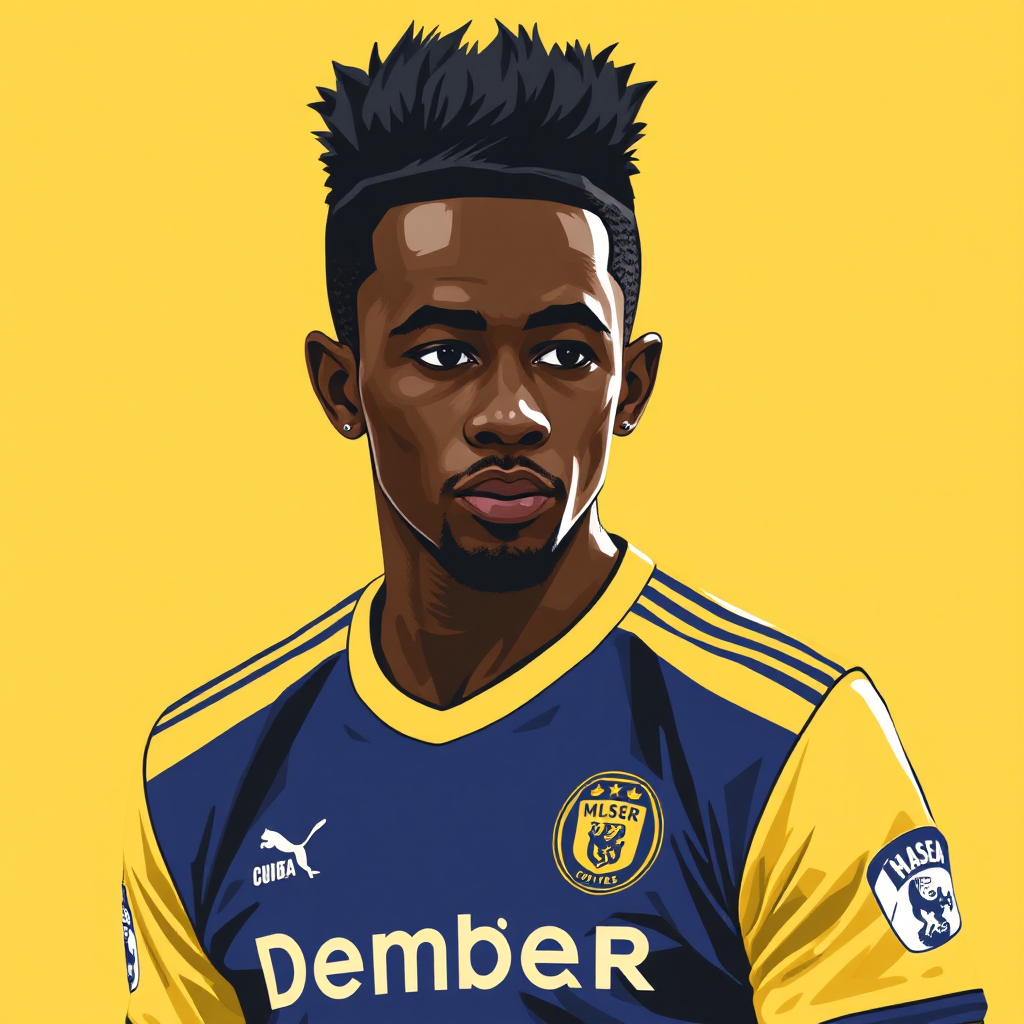
 Hình minh hoạ: go88s.casino
Detailed Analysis: How the Absences Reshape Match Dynamics
When foundational pieces sit out, the operational template typically fractures into two distinct phases: the adaptation window and the stabilization window. During adaptation, which often covers the first twenty-five minutes, the team experiments with spacing, defensive coverage layers, and transitional triggers. Coaches frequently rely on practiced secondary patterns rather than rehearsed set-piece variations, since unfamiliar chemistry reduces execution reliability. This phase usually generates higher error rates in possession buildup but can create counter opportunities if the opposition overcommits early.
The stabilization window emerges once players lock into adjusted responsibilities. Without the absent athletes, defensive lines often compress horizontally to reduce space behind the midfield triangle. Wide attackers may tuck inward more frequently, converting traditional wingers into inverted playmakers temporarily. Offensively, the lack of primary finishers shifts emphasis toward secondary routes, such as delayed runs from central zones or quick combination play near the penalty arc. These adjustments are rarely dramatic on paper but become highly visible through positioning maps and pass networks.
Another critical factor involves set-piece allocation. Star performers usually claim dominant roles on corners and free kicks. Their departure forces specialists to reassess delivery zones, take responsibility for routine executions, and accept lower conversion probability. This recalibration often increases reliance on defensive headers from fullbacks or midfield runners, altering both offensive and defensive aerial contests. Observers reviewing match footage consistently track these micro-shifts, noting that sustained periods of positional discipline compensate for reduced individual creativity.
From a psychological standpoint, locker room communication intensifies. Captains and experienced squad members step into vocal leadership roles, managing tempo complaints and reinforcing structure. The bench dynamic also shifts, as reserve players absorb heavier minute distributions. Fatigue management becomes a tangible concern, particularly in midweek calendar congestion. Substitutions during the latter half tend to prioritize freshness over stylistic continuity, which can temporarily disrupt rhythm but ultimately preserve competitive balance until the final whistle.

Comparative Impact: Expected Lineups and Tactical Adjustments
| Scenario | Structural Focus | Likely Risk Factors |
|---|---|---|
| Standard Starting XI | Fluid possession, high defensive line | Exposure to rapid transitions, set-piece vulnerability |
| Rotated Core With Depth | Controlled build-up, compact midfield | Slower chance creation, substitution dependency |
| Youth Heavy Approach | Vertical passing, aggressive pressing | Positional misalignment, disciplinary exposure |
| Conservative Transition Game | Defensive solidity, counter emphasis | Possession deficit, low shot volume |
The matrix above outlines how different managerial approaches respond when key contributors depart. Selecting a pathway depends heavily on opponent strength, tournament stakes, and recovery timelines across the broader schedule. Experienced organizers typically weight stability over spectacle, accepting moderate outputs to preserve stamina for upcoming fixtures. Meanwhile, development-focused rotations prioritize long-term growth, acknowledging short-term volatility as an acceptable cost. Fans evaluating these trajectories benefit from tracking first-half control metrics rather than fixating on immediate results, since tactical implementation requires time to mature under pressure.
Fan Navigation: Accessing Official Updates, Engagement, and Support Channels
Modern supporters rarely rely on a single source when navigating sudden roster changes. The process begins with accessing verified club statements, followed by cross-referencing independent analytics outlets and broadcast commentary. Once information is consolidated, many enthusiasts move into structured engagement phases, whether through registered community boards, official membership portals, or subscription-based tracking services. Registration typically involves providing basic contact information and accepting data-handling terms, which protects account security and enables personalized notification settings. Usage patterns diverge based on preference, ranging from live minute-by-minute commentary to post-match heatmaps and performance dashboards. When questions arise about account recovery, broadcast buffering, or content filtering, dedicated support desks handle resolution requests through ticket systems or live chat interfaces.
If you are exploring additional match insights, statistical archives, or curated viewing guides, platforms like go88s.casino occasionally host supplementary analysis hubs that aggregate historical data, form trends, and expert commentary. Navigating these resources responsibly requires verifying domain authenticity, checking update timestamps, and avoiding unmoderated discussion threads that spread unconfirmed rumors. A disciplined workflow—starting at official channels, validating through reputable secondary sources, and consulting support documentation when technical issues arise—keeps the viewing experience organized and stress-free.

Who Should Follow Closely and Who Might Step Back
Certain viewer profiles gain significant value from monitoring tonight’s fixture, while others may benefit from stepping away until the situation stabilizes. Fantasy league managers require granular lineup clarity because roster selection deadlines lock before kick-off. Those waiting on last-minute confirmations should prepare fallback options rather than chasing uncertain substitutions. Sports photographers, pitch-side reporters, and tactical reviewers also thrive on observing how unheralded players adapt to elevated responsibilities, since their performances often dictate future investment decisions and contract negotiations.
Conversely, casual viewers seeking predictable entertainment might find the adjustment period frustrating. The initial thirty minutes frequently display disjointed movement, misplaced passes, and hesitant pressing traps. If your priority is polished execution or seamless narrative flow, reserving attention for matches featuring fully available rosters delivers a smoother experience. Similarly, viewers managing tight schedules should assess whether the potential reward aligns with the emotional energy required. Stepping back temporarily prevents disappointment when outcomes swing unpredictably due to unfamiliar chemistry.
Practical Recommendations for Supporters and Casual Viewers
- Confirm official lineup publications approximately sixty minutes before kickoff to avoid relying on unverified social media posts.
- Prepare alternative viewing links in case primary broadcasts experience compression delays or regional blackout restrictions.
- Track first-half positional maps rather than scoring statistics, since tactical implementation requires time to crystallize.
- Set personal budget limits if engaging with fantasy pools or prediction games, treating them as entertainment rather than income generators.
- Use club-supported helplines or responsible viewing guidelines when match stress interferes with daily routines or sleep patterns.
These steps reduce friction during volatile match environments and keep expectations grounded in realistic performance windows. Structured preparation transforms uncertainty into manageable variables, allowing viewers to enjoy competitive football without unnecessary strain. Remember that temporary roster limitations rarely define long-term project trajectories; organizational depth and systematic flexibility determine sustainability across extended campaigns.
Frequently Asked Questions
- When will confirmed substitutes become available? Substitute nominations typically open fifteen minutes before the scheduled kickoff, though injury protocols or emergency registrations can extend this window depending on governing body regulations.
- Should fantasy managers panic-update their teams after late scratches? Only if deadline pressures force speculative picks. Reliable alternatives involve identifying backup players with documented minutes history rather than chasing rumor-driven speculation.
- How does reduced star power affect betting markets? Odds adjust dynamically as liquidity flows reflect perceived depth quality. Sharp observers monitor line movements rather than static numbers, recognizing that public sentiment often skews toward familiar branding regardless of actual matchup viability.
- Is it safe to stream matches through unofficial aggregator sites? Unregulated streams frequently host malicious redirects, intrusive advertisements, and incomplete data feeds. Authorized providers guarantee stable bandwidth, geographic compliance, and customer protection frameworks.
- Do youth players typically perform better under pressure? Development curves vary widely. Some adolescents thrive on elevated stages, while others struggle with decision-making speed. Historical tracking shows incremental improvement rather than instant dominance.
Concluding Guidance by Viewer Profile
Die-hard supporters should treat tonight’s fixture as a tactical laboratory. Record spacing adjustments, track pressing triggers, and note how reserve players communicate under fatigue. Use the match to reinforce patience, recognizing that system cohesion often outlasts individual brilliance. Casual viewers who prefer predictable pacing can comfortably skip ahead to highlights, preserving emotional bandwidth for fixtures featuring fully assembled rosters. Fantasy participants must lock strategies before deadlines, hedge exposure with floor performers, and avoid overvaluing upside projections built on thin evidence. Data analysts and scouts should document transition efficiency, aerial duel success rates, and substitution timing, since these metrics reveal developmental trajectories that raw scorelines obscure. Broadcast coordinators and production teams ought to verify feed redundancy, test commentary equipment, and prepare contingency graphics for unexpected lineup shifts, ensuring smooth delivery regardless of on-field volatility.
Tonight’s scenario reflects a common yet demanding reality in elite competition. When foundational pieces disappear from the sheet, organizations must either lean into calculated risk or stabilize through controlled containment. Both pathways carry measurable trade-offs, and neither guarantees immediate satisfaction. Approaching the match with structured expectations, verified information workflows, and disciplined consumption habits keeps the experience valuable. Football remains fundamentally unpredictable, but prepared viewers navigate uncertainty far more effectively than those caught reacting to chaos. Trust verified sources, respect financial and emotional boundaries, and let systemic patterns guide your evaluation rather than momentary fluctuations.