Serie A Updates: Inter Milan Secure Stoppage Time Winner
Three critical developments define the immediate aftermath of Inter Milan’s latest Serie A fixture. First, official match documentation confirms that a decisive goal arrived in the ninth-injury period, flipping the scoreboard after ninety minutes of tightly contested play. Second, post-whistle analysis from league officials and broadcast commentators highlights how the result reshapes the top-four positioning, narrowing the gap between the Nerazzurri and their nearest domestic challengers. Third, initial reports from multiple sports desks distinguish between verified tactical shifts displayed during the second half and unconfirmed social-media narratives regarding planned squad rotations before European fixtures.
Match Result and Immediate Aftermath
The narrative of Inter Milan’s latest league outing centers on a match that refused to yield until the final moments. For most of the contest, both sides operated at a measured tempo, exchanging possession without creating clear-cut chances. Defensive structures held firm, midfield transitions moved quickly but lacked penetration, and set-piece opportunities failed to materialize into meaningful threats. The score remained static through regulation time, setting up a tense conclusion where stamina, spacing, and decision-making under pressure dictated the outcome. When the winning strike finally arrived during added time, it did so through a combination that exploited a brief structural misalignment rather than sustained territorial dominance.
League administrators and match delegates ratified the result shortly after the final whistle, with official statistics aligning across independent tracking providers. The victory moves Inter Milan into a more compact cluster within the upper tier of the standings, intensifying the mathematical and psychological margins for every remaining fixture. Broadcast replays emphasized how the late scoring window altered momentum graphs, with expected-goal metrics shifting sharply in the Nerazzurri’s favor during the final seven minutes. Those same metrics, however, caution that isolated late-game breakthroughs rarely replace consistent pattern-play over a full ninety-minute block.
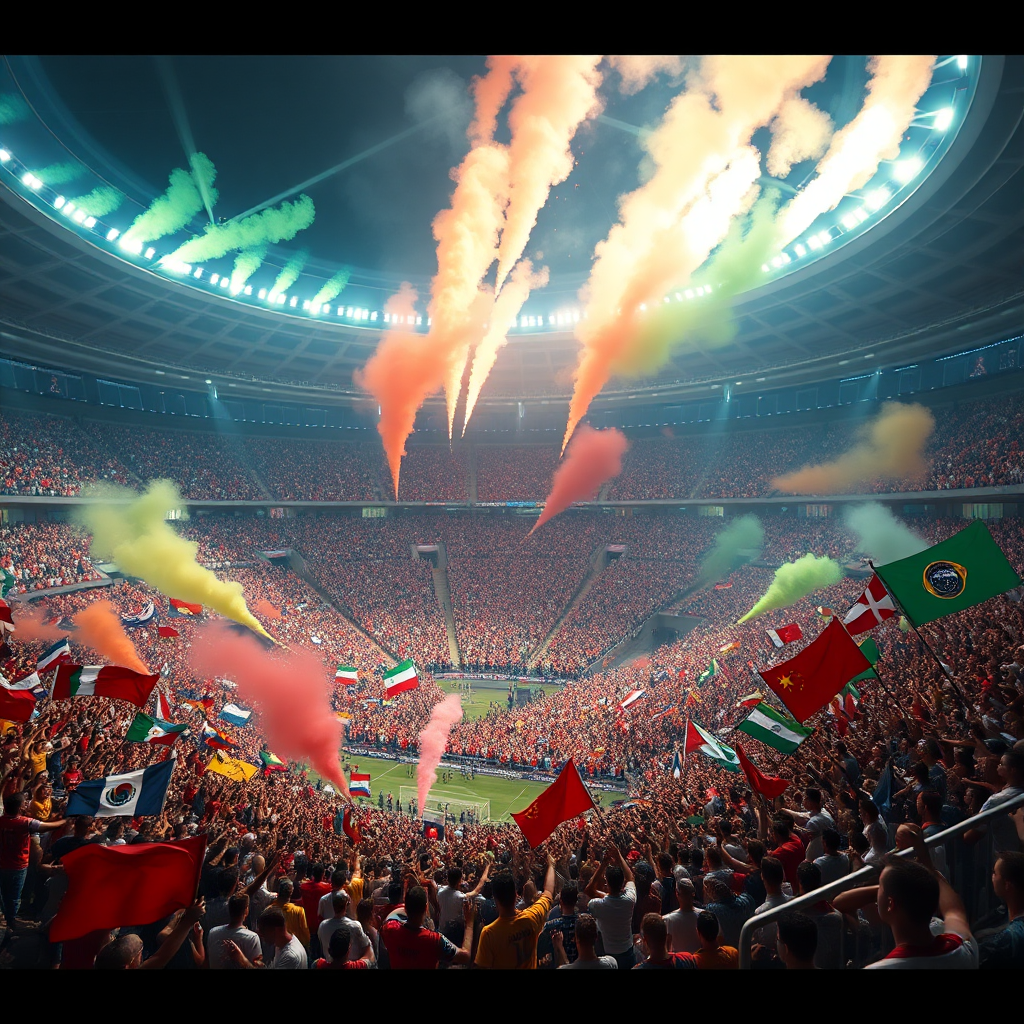
 Hình minh hoạ: b52club
Season Context and Tactical Setup
Inter Milan’s current campaign has been characterized by methodical progression rather than explosive bursts. The tactical framework prioritizes compact defensive lines, rapid vertical transitions, and controlled build-up phases that avoid reckless possession retention. Throughout the first half of the season, the side demonstrated resilience in high-pressure environments, often neutralizing aggressive pressing schemes through structured passing triangles and purposeful off-ball movement. This approach yields stable results but demands precision when opponents drop deeper and concede territory.
Against recent opposition, the coaching staff adjusted certain positional responsibilities to accommodate varying opponent profiles. Wide areas received heightened emphasis when central channels were heavily contested, while advanced forwards were instructed to make delayed runs into space rather than chasing loose balls. These micro-adjustments reflect a broader seasonal strategy: preserve physical resources, minimize defensive errors, and capitalize on transitional windows. The stoppage-time finish aligns with that philosophy, illustrating how patience and rehearsed patterns can breach organized defenses even when sustained attacks fall short.
Historical parallels show that teams operating under similar constraints often experience fluctuating fortune in the closing stages of matches. Fatigue accumulation, referee signaling variations, and temporary communication lapses create narrow operational gaps. Inter Milan’s ability to navigate those variables demonstrates institutional maturity, yet sustained success requires replication of these outcomes across consecutive fixtures rather than reliance on singular late sequences.

Timeline of Key Moments and Official Statements
The match progression unfolded in distinct phases, each carrying tactical and strategic weight. Early exchanges focused on probing defensive formations, with neither side willing to commit numerical overload into congested zones. Midfield controls shifted repeatedly as pressing triggers activated and deactivated based on ball location. Possession cycles lengthened, circulation speed increased, and offensive third entries became increasingly deliberate. Statistics released after the game indicate that territorial advantage hovered near parity, underscoring how evenly matched the systems were throughout the majority of the contest.
Official post-match statements from club representatives confirmed several operational realities. Management acknowledged the difficulty of breaking down a disciplined back line, praised the work rate displayed during transition phases, and emphasized the importance of maintaining concentration levels until the final whistle. Medical and performance staff provided routine updates indicating no significant injury concerns, reinforcing the standard recovery protocols applied following high-intensity league outings. These communications serve as verified anchors for journalists and analysts navigating the early reporting cycle.
Conversely, speculative commentary emerged rapidly across digital platforms, offering unverified claims about internal meetings, potential transfer targeting, and rumored lineup modifications for upcoming European fixtures. Some outlets suggested sudden tactical reinventions, while others projected managerial dissatisfaction despite the positive result. None of these assertions appeared in official press materials or were corroborated by accredited sports correspondents. Separating verified developments from premature analysis remains essential for accurate interpretation of Inter Milan’s current trajectory.

Club Responses and Media Analysis
Media coverage following the match reflects a spectrum of analytical priorities. Traditional sports networks focused on match statistics, tactical heat maps, and individual performance ratings derived from tracking data. Digital publications emphasized narrative angles, highlighting clutch moments, leadership displays, and long-term playoff implications. Broadcasting commentary teams broke down positional discipline, pressing coordination, and finishing efficiency, often cross-referencing previous encounters to identify recurring patterns.
Within that ecosystem, live-update platforms and dedicated sports hubs provide continuous coverage streams. Readers tracking real-time developments frequently access dedicated portals such as b52club for scheduled match previews, statistical overlays, and post-game breakdowns that aggregate data from multiple broadcasters. These resources help fans track performance metrics alongside official club announcements, creating a consolidated information environment that reduces reliance on fragmented reporting.
Pundit analysis remains divided between cautious celebration and methodical skepticism. Some commentators argue that late victories validate existing systems, demonstrating mental fortitude and tactical flexibility under pressure. Others warn that relying on final-minute interventions masks underlying issues in chance creation, suggesting that sustained attacking output would eliminate unnecessary tension in future fixtures. Both perspectives hold merit, though the former emphasizes psychological resilience while the latter stresses structural optimization.
Player interviews conducted after the final whistle reinforced the team’s collective mindset. Several athletes referenced preparation routines, video analysis sessions, and fitness benchmarks that contributed to maintaining intensity during added time. Coaches reiterated that execution quality improves through repetition, not reaction alone. These remarks, verified through accredited media accreditation, provide grounding for discussions about training methodology and competitive readiness.
Upcoming Fixtures and Standings Implications
The victory places Inter Milan within striking distance of higher-tier positions, compressing point margins and increasing the stakes for every remaining league encounter. Mathematical projections indicate that maintaining current standards could secure continental qualification, while regression risks dropping the side into mid-table consolidation battles. The calendar ahead features a mix of domestically focused fixtures and international competition schedules, requiring careful workload distribution and rotational planning.
| Fixture Type | Historical Performance Window | Operational Priority |
|---|---|---|
| League Matches | Consistent point accumulation, limited variance | Squad stability, tactical consistency |
| Domestic Cups | Mixed results depending on rotation timing | Experimentation, depth evaluation |
| European Competitions | Adaptation phase, gradual integration | Recovery management, positional specialization |
| Late-Season Clusters | Fatigue-dependent performance fluctuations | Load balancing, strategic substitution planning |
Performance trends across these categories reveal predictable patterns. League contests typically reward consistency, cup tournaments expose roster limitations, European campaigns test tactical adaptability, and compressed schedules amplify physical constraints. Inter Milan’s current squad composition suggests a preference for preserving core players during high-leverage fixtures while deploying supplementary personnel in lower-stakes environments. That strategy requires precise scheduling awareness and transparent communication regarding selection criteria.
Statistical modeling indicates that maintaining a five-point buffer above the relegation zone, while simultaneously holding position within the top four, demands approximately seventy-five percent availability from primary contributors. Injury prevention, travel optimization, and rest allocation become as critical as technical execution. Clubs that neglect logistical variables often experience performance decay during terminal phases of the campaign.
Strategic Outlook and Next Steps
Inter Milan’s path forward hinges on translating late-match resilience into sustained offensive production. Coaching staffs across elite competitions recognize that stoppage-time solutions are valuable but unsustainable as primary mechanisms for securing points. The priority shifts toward establishing earlier control windows, converting chance volume into higher-quality attempts, and reducing dependency on last-ditch interventions. Training emphasis will likely focus on penetration patterns, third-man runs, and coordinated