Standard Chartered Bank called for more resilient infrastructure, viable energy projects and reliable power supplies in Southeast Asia as the region braces for rising demand and greater exposure to supply disruptions.
Southeast Asia is expected to account for nearly 20 percent of global energy-demand growth through 2035 under current policy settings, despite representing just nine percent of the world’s population and four percent of global gross domestic product.
“The need for action is clear. Southeast Asia accounts for nine percent of the world’s population and four percent of global GDP (gross domestic product) but is expected to contribute nearly 20 percent of global energy-demand growth to 2035 under today’s policy settings,” Standard Chartered Philippines CEO Mike Samson said.
“The region also faces greater exposure to fuel-import dependence, supply disruption, and price volatility—reinforcing the importance of energy security, affordability, and system resilience,” he added.
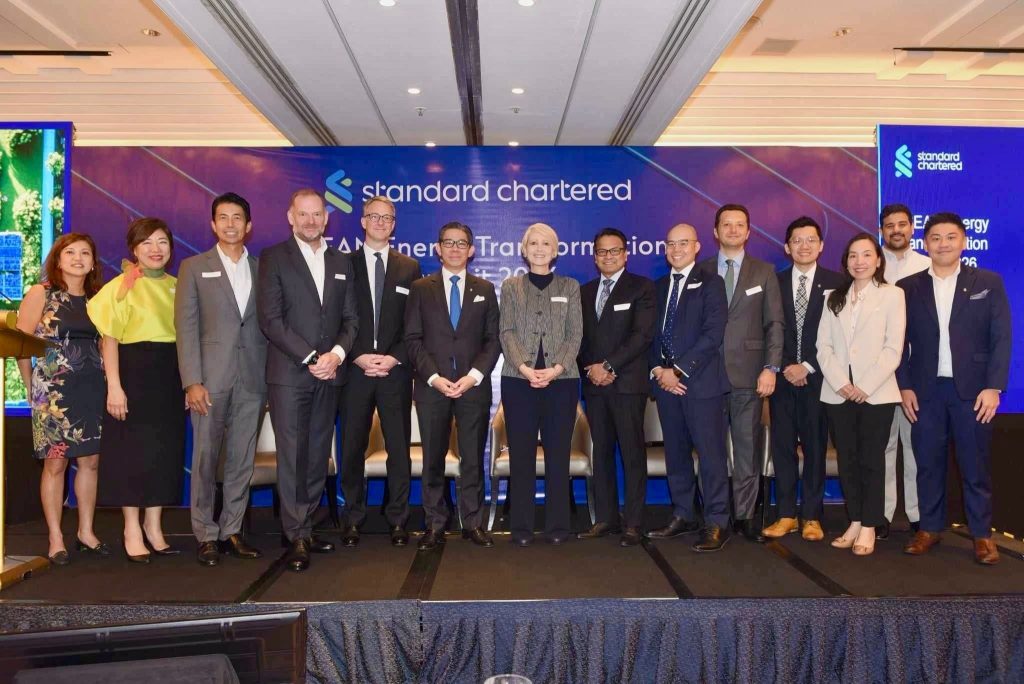
Samson spoke at Standard Chartered’s inaugural ASEAN Energy Transformation Summit in Makati, which brought together energy industry representatives as the Philippines chairs ASEAN.
The bank said the region’s energy transformation would depend on stronger partnerships, connectivity and coordinated action.
Recent supply disruptions and rising oil prices have put greater focus on energy security, with power costs and reliability affecting the region’s competitiveness.
Standard Chartered said it is supporting energy projects in Southeast Asia as a lender and adviser and by connecting clients with capital.