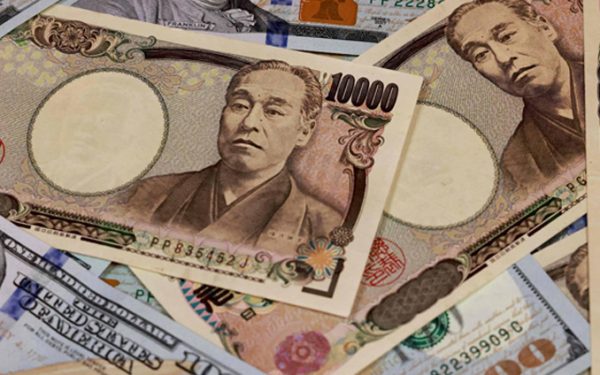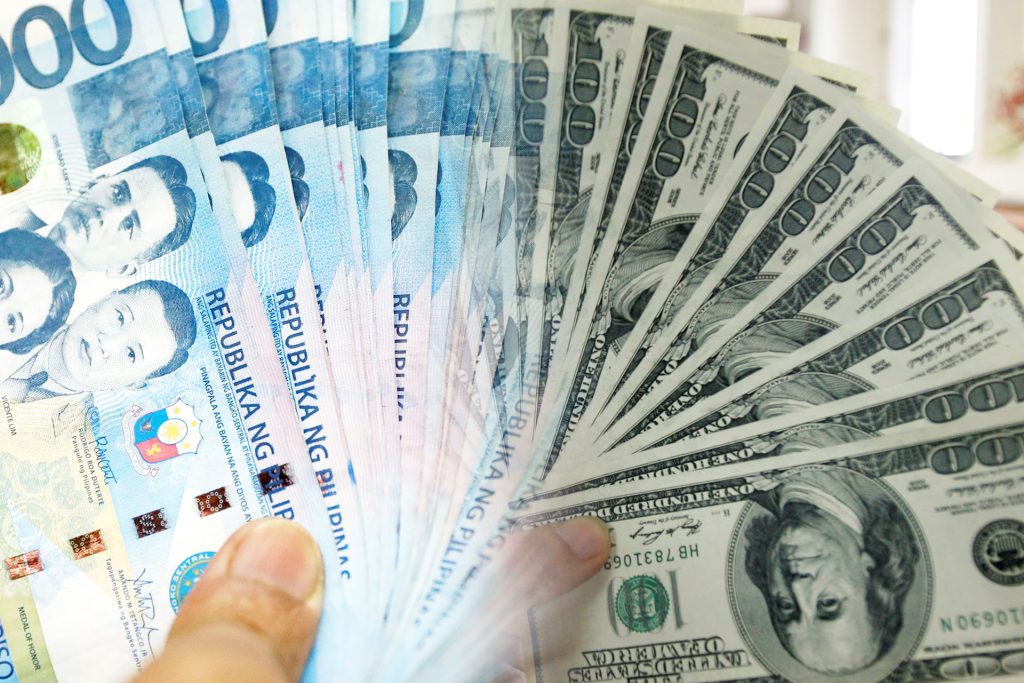
The Philippine peso hit a record intraday low of 62.775 against the dollar on Monday before recovering to close slightly stronger, as signs of official intervention and a weaker greenback helped stem losses.
The currency ended at 62.586 per dollar on Sept. 7, up 0.4 centavo from its record-low close of 62.59 on Sept. 4, data from the Bankers Association of the Philippines showed.
The peso opened at 62.62 and strengthened to as much as 62.58 during the session. Dollar turnover fell to $1.19 billion from $1.52 billion previously.
Rizal Commercial Banking Corp. chief economist Michael Ricafort said the late recovery followed signals from Philippine authorities that they were prepared to intervene in the foreign exchange market to curb excessive volatility.
The peso has traded largely between 62.30 and 62.70 in recent sessions, which Ricafort said pointed to efforts to smooth sharp currency movements.
Finance Secretary Frederick Go earlier said the Bangko Sentral ng Pilipinas intervenes when exchange-rate volatility moves beyond levels deemed comfortable.
The peso also benefited from a weaker dollar against the Japanese yen amid speculation over possible intervention by Japanese authorities and a potential Bank of Japan rate hike, Ricafort said.
The broader dollar index slipped to around two-week lows amid renewed pressure from U.S. President Donald Trump for lower interest rates.
Stronger-than-expected U.S. employment data last week, however, reinforced expectations that the Federal Reserve could keep monetary policy tighter for longer.
Investors are also watching the BSP’s remaining policy meetings this year. Ricafort said further rate increases on Oct. 22 or Dec. 17 could help support the peso, contain import costs and manage inflation expectations.