
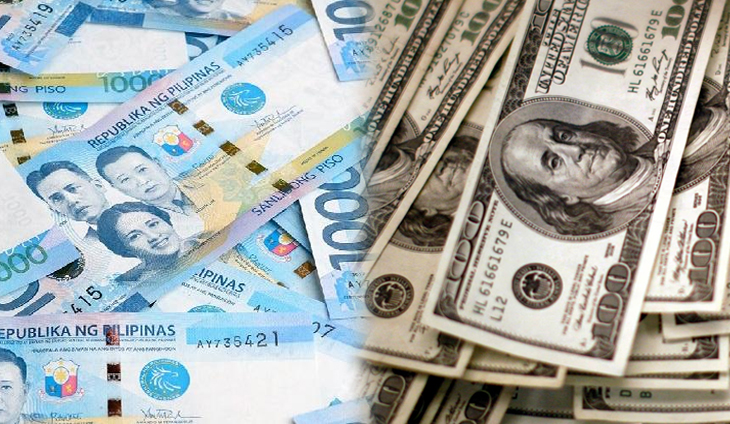
The Philippine peso fell to a fresh record low on Monday, breaching the 60.60 level as escalating tensions in the Middle East drove demand for the U.S. dollar and heightened fears of a prolonged conflict.
The currency closed at 60.69 per dollar, according to data from the Bankers Association of the Philippines, weakening from its opening level of 60.55. It hit an intraday low of 60.84 amid sustained selling pressure.
Trading volume rose to about $2 billion, up from $1.33 billion in the previous session, reflecting heightened volatility as markets reacted to global developments and domestic concerns over energy supply.
“Markets are pricing a prolonged war,” Jonathan Ravelas, senior adviser at Reyes Tacandong & Co., said in a message, adding the peso could trade between 60.60 and 60.90 in the near term.
The peso has been among Asia’s weaker currencies this year, pressured by its exposure to oil price shocks as the Philippines relies heavily on imported fuel.
The currency’s slide could complicate inflation management, as a weaker peso raises the cost of imports, including fuel, at a time when global energy prices are already elevated.
The Bangko Sentral ng Pilipinas has yet to signal any immediate intervention, as markets continue to assess the impact of geopolitical risks on the currency and broader economic outlook.



