By the staff
Despite growing awareness of mental health in the Philippines, many remain unsure how to respond when faced with emotional or psychological challenges, a new study by AXA Philippines shows.
The AXA Mind Health Study found that 65% of Filipinos say they are aware of mental health issues, placing the country among the highest globally. Yet only about a third of respondents reported knowing what to do when confronted with mental health challenges, whether for themselves or others.
Paula Ferrer Cheng, head of Research and Development at Mind You, AXA Philippines’ partner in mental health, said the gap carries real risks. “Awareness without action leaves people stuck, and in some cases, vulnerable to worsening conditions. That’s why education must go hand-in-hand with any awareness effort. We need to ensure that Filipinos not only recognize mental health issues but also know how to respond. Without that, we risk letting early warning signs escalate into long-term distress.”
The study also found that individuals who are well-informed—those who know the signs, available support, and how to respond—are more likely to report positive mental well-being.
“Awareness is an important first step, but real progress happens when people know they can take action with the right support,” said Ayman Kandil, CEO of AXA Philippines. “Guided by our purpose to act for human progress, AXA stands as a partner to Filipinos—helping them know they can take meaningful steps toward better mind health through access to practical, reliable resources and solutions.
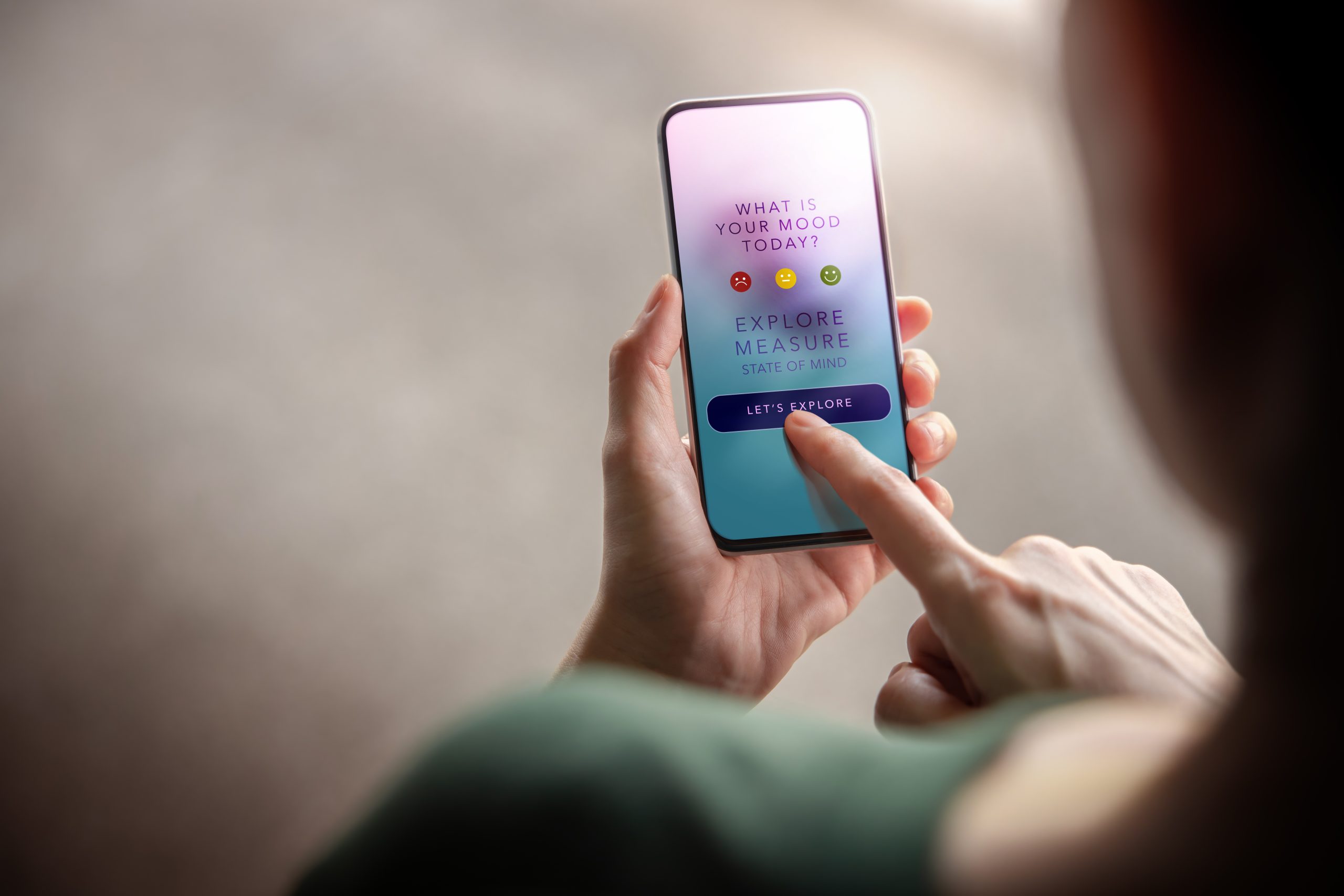
AXA has launched initiatives to address the gap, including the Mind Health Self-Check, a free and anonymous digital tool that evaluates users’ emotional well-being across three areas—Current State of Mind, Skills and Beliefs, and Lifestyle.
Users receive a Mind Health Index score from 0 to 100, categorized as Flourishing, Getting By, Languishing, or Struggling.
“The findings we see aren’t isolated,” Cheng said. “They reflect deeper strain that builds over time and highlights the need for early, compassionate support.”
A separate Mind You survey of 15,206 employees found the top reason for seeking help was the need for someone to talk to (28.01%), with 80% of help-seeking driven by emotional distress rather than clinical diagnosis, signaling a cultural shift toward empathy and openness at work.
When people don’t know how to respond to mental health challenges, they may delay getting support—impacting both their personal wellbeing and their livelihoods,” Kandil said. “Filipinos who are more informed are better equipped to take action and to thrive. This is why we believe it’s crucial to move from awareness toward practical solutions that empower individuals to care for their mind health. Through tools like the AXA Mind Health Self-Check and comprehensive health plans that safeguard holistic well-being, we aim to be a trusted partner in that journey.”