The Philippines’ outstanding debt hit a record P16.09 trillion at the close of November 2024, a 0.4% increase from the previous month, primarily driven by the depreciation of the peso against the US dollar, the Bureau of the Treasury (BTr) reported.
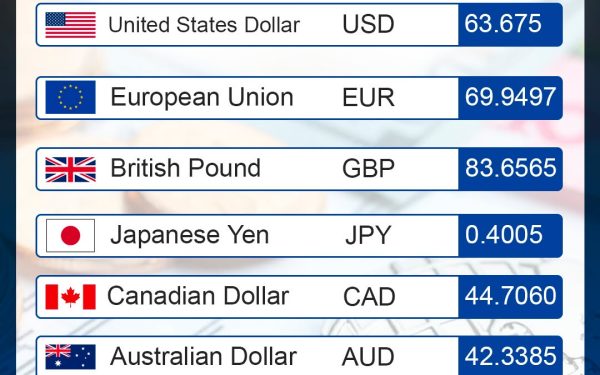
The peso weakened to P58.602 per dollar from P58.198 in October, raising the peso-equivalent value of the country’s foreign debt.
On a year-on-year basis, the debt surged by 10.9% from P14.51 trillion in November 2023, reflecting both the currency depreciation and the government’s rising borrowing needs.
Domestic debt accounted for the bulk of the increase, comprising 67.9% of the total at P10.92 trillion. This was a modest 0.3% rise from October but a notable 9% increase from the previous year.
The uptick was attributed to net issuances of P30.67 billion in domestic securities, along with a P1.15 billion effect of peso depreciation on US dollar-denominated domestic debt.
External debt rose by 0.8% to P5.17 trillion from October, a 15.3% jump compared to the same period last year. The peso’s decline contributed to a P35.61 billion increase in the local value of US dollar-denominated obligations.
Foreign loan availments added P8.33 billion to the external debt, although this was partly offset by a P5.06 billion reduction from currency fluctuations.
Guaranteed obligations increased by 2.5% to P422.04 billion, driven by new domestic guarantees worth P8.95 billion and upward adjustments of P1.85 billion due to adverse foreign exchange movements.
The country’s debt-to-GDP ratio rose to 61.3% in the third quarter of 2024, up from 60.9% in the second quarter.
With debt at historic highs and the peso under pressure, managing the balance between fiscal sustainability and investment-driven growth will be a key challenge for the Philippine government moving forward.