Philippine banks are effectively managing their foreign exchange (FX) exposures, with key metrics showing that risks from overbought FX positions are being kept under control.
Data from the Bangko Sentral ng Pilipinas showed that the ratio of net FX positions to regulatory capital for the country’s universal and commercial banks was 2% as of June 2024, a slight increase from 1.9% in the same period last year.
The BSP said that this ratio remains low, suggesting that banks have been actively managing their FX exposures despite the peso’s depreciation.
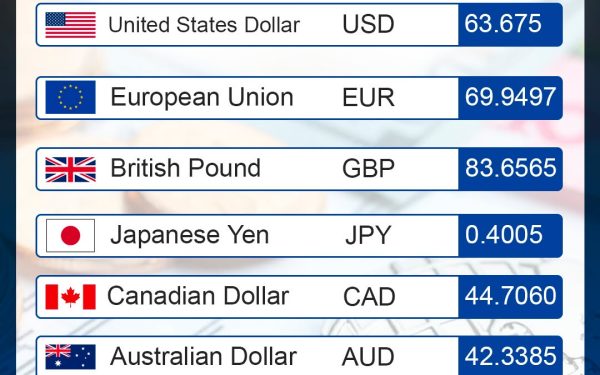
Currently, the peso is hovering at around P58 to the US dollar, reflecting a weaker stance in the foreign exchange market. The peso’s decline is expected to continue, with analysts forecasting it could end the year at P59 to the US dollar. In June, the peso averaged P58.69, the highest monthly average for 2024.
While the peso has been under pressure due to the strength of the US dollar, the BSP noted that the FX positions of major banks remain manageable. At the end of 2023, the country’s biggest banks held $580.8 million in overbought FX positions, which represented a manageable 1.3% of their regulatory capital.
An overbought position occurs when a bank’s FX assets exceed its liabilities, typically signaling expectations of currency appreciation.
The BSP monitors the net FX position-to-capital ratio as an indicator of banks’ exposure to potential FX-related losses. Under BSP Circular No. 1120, a bank’s consolidated net open FX position—whether overbought or oversold—must not exceed 25% of its qualifying capital or $150 million, whichever is lower. This cap is designed to limit exposure and ensure the stability of the banking sector.